Why workplace focus matters more than ever
Businesses have invested heavily in technology, yet many employees still struggle to find the conditions they need to concentrate.
Businesses have spent the last few years investing heavily in technology. AI-powered software, automated workflows and collaboration platforms have all been brought in to improve productivity and help teams work more efficiently.
Yet despite those advances, many employees still struggle with one fundamental challenge: finding the space and conditions needed to focus.
The modern workplace is designed to encourage collaboration, but collaboration alone does not drive performance. Creative thinking, problem-solving, strategic planning and detailed project work all require periods of uninterrupted concentration. When people are constantly navigating background conversations, impromptu meetings and digital notifications, even the most advanced technology cannot deliver its full value.
The hidden cost of distraction
Open-plan offices have real benefits. They support teamwork, encourage communication and make better use of available space. They can also make it very hard to find privacy or quiet.
Research consistently shows that noise and interruption reduce concentration, increase cognitive load and make complex tasks slower to complete. In knowledge-based industries, where people spend much of the day analysing information, making decisions and speaking with clients, the impact is significant. The result is often a workplace where people are surrounded by colleagues but cannot find the right environment for deep work.
Designing for different ways of working
A well-designed office should support a variety of working styles across the day. Employees move between collaborative meetings, individual project work, virtual calls and confidential conversations, and each of those has different environmental requirements.
This is why organisations are introducing dedicated focus areas, acoustic solutions and private meeting spaces — and treating them as essential infrastructure rather than optional extras.
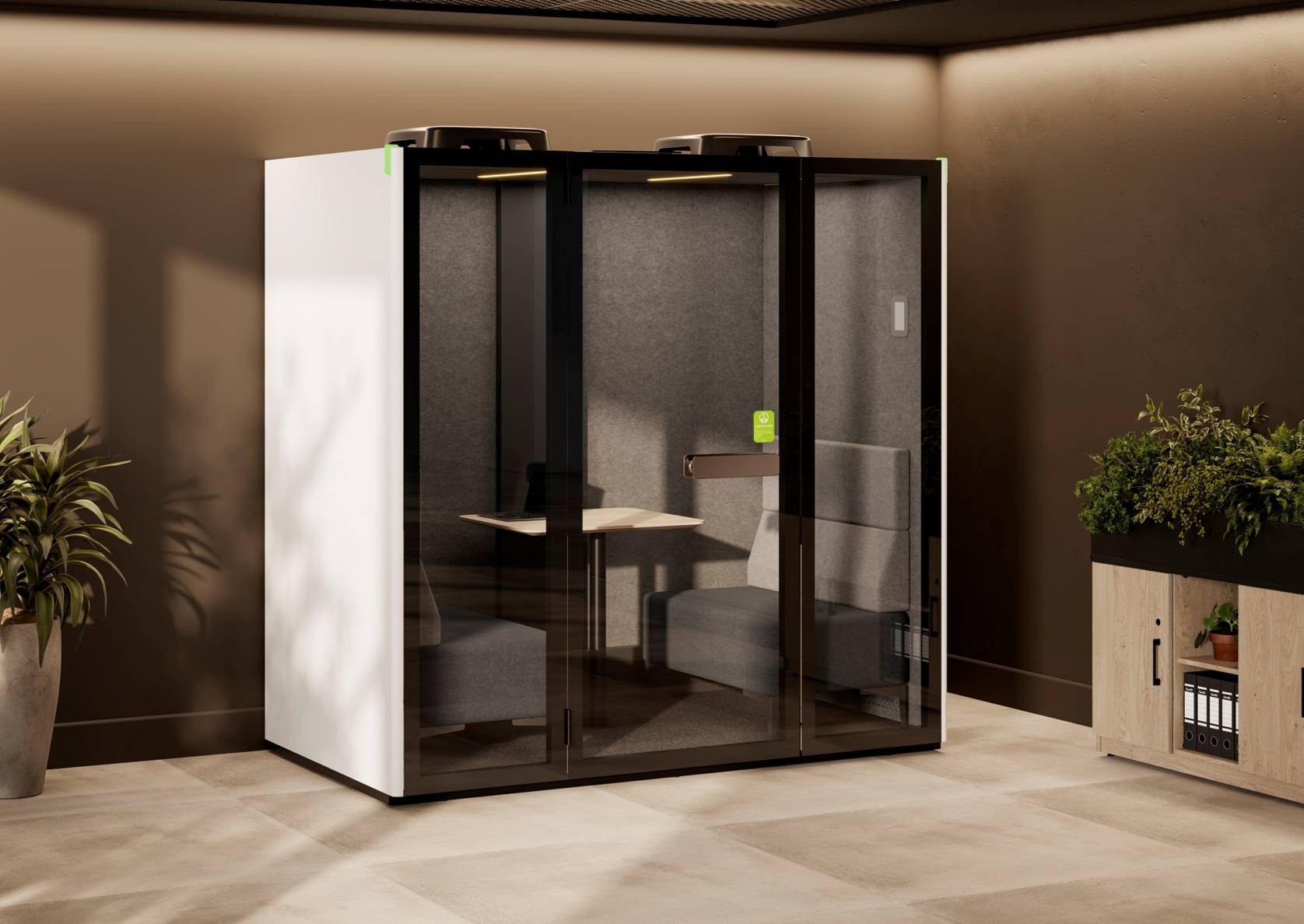
- Privacy pods and booths for calls and confidential conversations
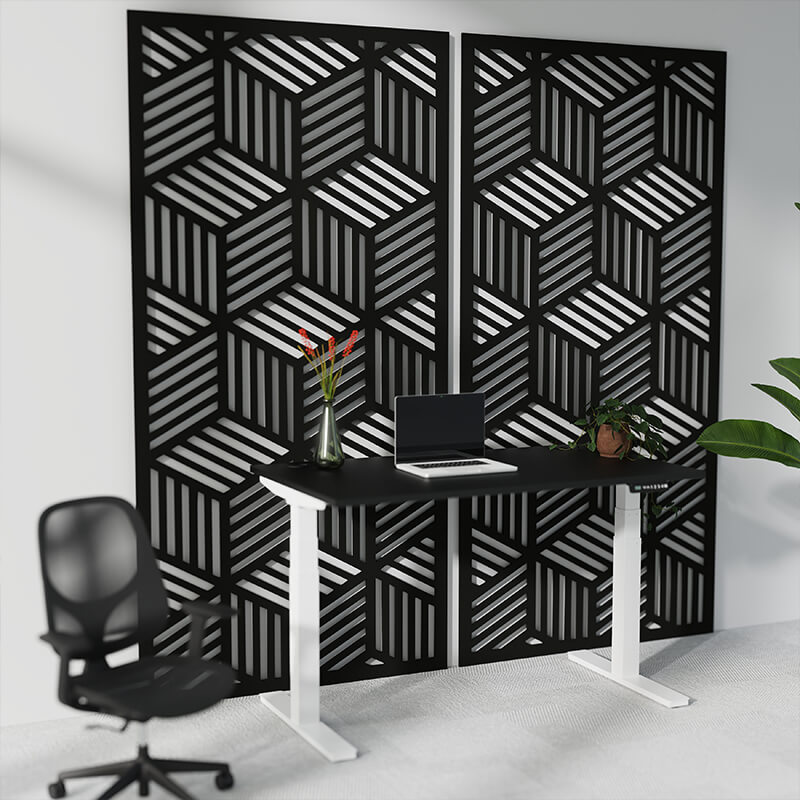
- Acoustic screens and baffles to lower background noise across open plan
- Quiet zones with clear behavioural expectations, not just different furniture
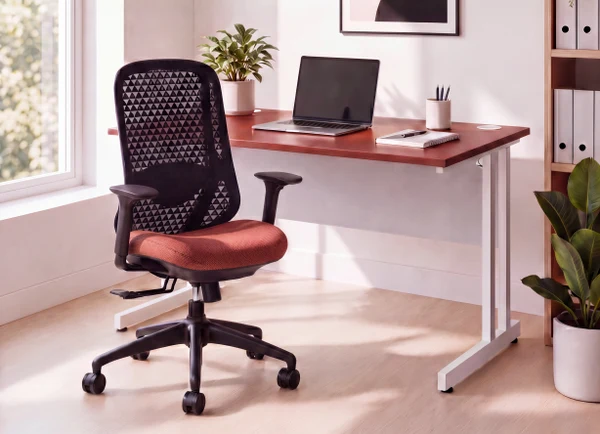
- A choice of postures, so people can move to suit the task rather than staying put
Environment and technology together
The most successful organisations recognise that technology and environment have to work as a pair. A brilliant collaboration platform cannot help someone who has nowhere quiet to use it.
If people tell you they get more done at home, it is usually an environment problem rather than a motivation problem — and it is generally fixable without moving building.